
Future of Marketing: Customer Journey Orchestration Explained
Advertisement
Customer journey orchestration (CJO) is a powerful strategy that helps businesses create personalized experiences for their customers at every stage of their journey. It focuses on understanding how individual customers interact with a brand across various channels and using real-time data to guide them effectively. This approach not only enhances customer engagement but also improves loyalty and satisfaction.
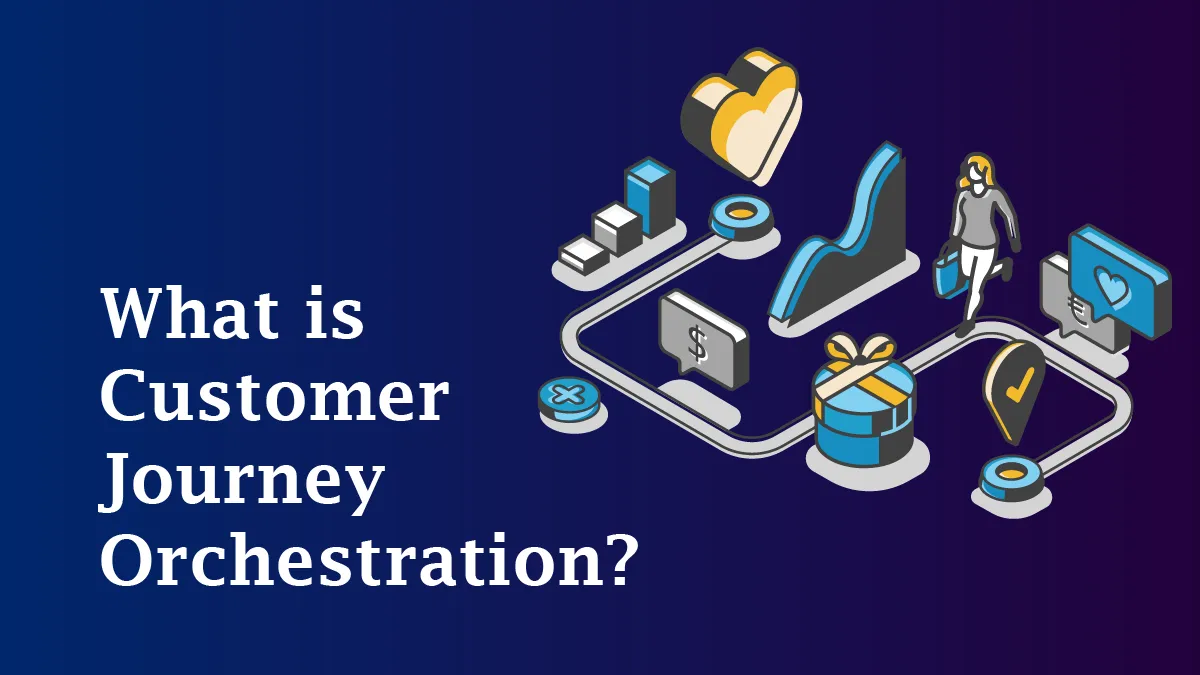 At its core, CJO is about coordinating customer experiences in real time. It involves managing every interaction a customer has with a brand, from initial awareness to post-purchase engagement. This includes analyzing customer behaviors and preferences to deliver tailored messages and actions that resonate with them. By using advanced technologies like machine learning (ML) and artificial intelligence (AI), businesses can predict what customers need next and provide it seamlessly.
CJO differs from traditional customer journey management, as it focuses on the individual rather than segments of customers. This means that each interaction is personalized based on the customer's unique journey, ensuring that they receive relevant content and support. By understanding how customers interact with a brand at various touchpoints, companies can optimize their marketing campaigns and customer support efforts, ultimately improving customer loyalty and retention.
At its core, CJO is about coordinating customer experiences in real time. It involves managing every interaction a customer has with a brand, from initial awareness to post-purchase engagement. This includes analyzing customer behaviors and preferences to deliver tailored messages and actions that resonate with them. By using advanced technologies like machine learning (ML) and artificial intelligence (AI), businesses can predict what customers need next and provide it seamlessly.
CJO differs from traditional customer journey management, as it focuses on the individual rather than segments of customers. This means that each interaction is personalized based on the customer's unique journey, ensuring that they receive relevant content and support. By understanding how customers interact with a brand at various touchpoints, companies can optimize their marketing campaigns and customer support efforts, ultimately improving customer loyalty and retention.
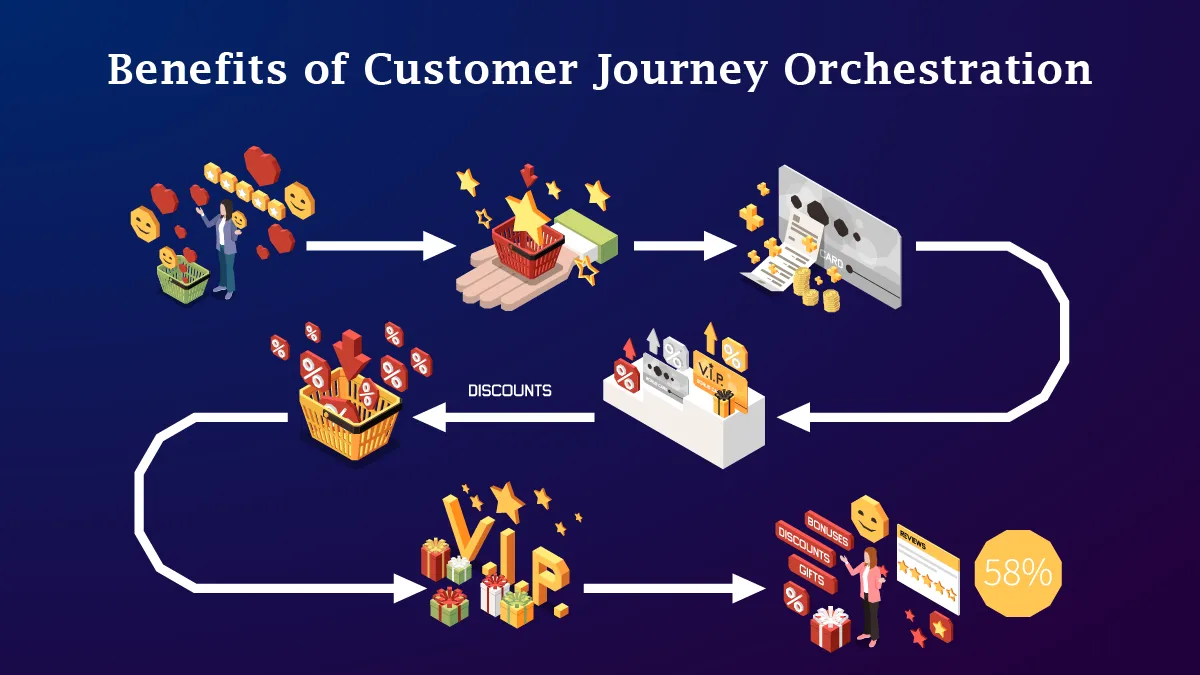 Implementing customer journey orchestration offers numerous benefits for both businesses and customers:
What is Customer Journey Orchestration?
At its core, CJO is about coordinating customer experiences in real time. It involves managing every interaction a customer has with a brand, from initial awareness to post-purchase engagement. This includes analyzing customer behaviors and preferences to deliver tailored messages and actions that resonate with them. By using advanced technologies like machine learning (ML) and artificial intelligence (AI), businesses can predict what customers need next and provide it seamlessly.
CJO differs from traditional customer journey management, as it focuses on the individual rather than segments of customers. This means that each interaction is personalized based on the customer's unique journey, ensuring that they receive relevant content and support. By understanding how customers interact with a brand at various touchpoints, companies can optimize their marketing campaigns and customer support efforts, ultimately improving customer loyalty and retention.
5 Stages of Customer Journey
Understanding the stages of the customer journey is crucial for effective CJO. The journey typically consists of five key stages: Awareness: Customers first learn about a brand through various channels, such as social media or email marketing. CJO ensures that marketing teams present engaging content that captures attention. Consideration: Customers evaluate their options. Personalized communications, like targeted emails or informative articles, help guide their decision-making process. Decision: When customers are ready to purchase, CJO provides a seamless experience across all platforms, making it easy for them to complete their transactions. Retention: After a purchase, businesses focus on keeping customers engaged through follow-up communications and support. Analyzing customer feedback helps identify areas for improvement. Advocacy: Satisfied customers can become advocates for the brand, sharing their positive experiences with others. CJO encourages this by nurturing relationships through loyalty programs and incentives.Also Read: AI in Customer Experience: The All-pervasive Impact of AI
Benefits of Customer Journey Orchestration
Implementing customer journey orchestration offers numerous benefits for both businesses and customers:
- Enhanced Personalization
- Improved Customer Engagement
- Increased Customer Loyalty
- Higher Conversion Rates
- Streamlined Operations
- Data-driven Decision Making
Case Studies
Several companies have successfully implemented customer journey orchestration strategies to enhance their customer experiences: Several retail brands utilize CJO to analyze shopping behaviors across their online and physical stores. Blibli, a leading e-commerce platform, utilized CJO to analyze shopping behaviors across its online and physical stores. By mapping customer journeys and employing real-time data analytics, it delivered personalized promotions based on individual shopping habits. As a result, it saw a significant increase in both online and in-store sales while enhancing overall customer satisfaction. As an e-commerce leader in the grocery sector, BigBasket maintains an impressive customer retention rate of 85%. It leverages advanced customer experience (CX) platforms to answer customer calls promptly and gather critical data for continuous improvement. Its collaboration with partners like Ozonetel has enabled it to optimize operations through route optimization and intelligent planning, ultimately enhancing customer satisfaction and reducing complaints. Muthoot Fincorp, a leading gold loan non-banking financial company (NBFC) in India, utilized CJO to enhance digital engagement and awareness among customers. By deploying Ozonetel’s CCaaS platform for WhatsApp and voice bots, Muthoot Fincorp increased its average order value from Rs 20,000 to Rs 50,000. It achieved over 150,000 impressions on WhatsApp in nine months and made more than 43,500 EMI collection calls with voice bots in five months, resulting in significant cost savings.Conclusion
CJO represents a transformative approach to managing customer experiences in today's fast-paced digital environment. Businesses can use technologies to create personalized journeys that engage individual customers across multiple channels. The benefits of CJO are essential for building lasting relationships with customers. As companies continue to adopt this strategy, they will find themselves better equipped to navigate the complexities of modern consumer behavior. Ultimately, those who embrace CJO will not only improve their marketing outcomes but also foster deeper connections with their audience. This positions them for long-term success in a progressively competitive marketplace.Also Read: Digital Customer Journey Mapping: How to Optimize Every Touchpoint for B2B Success
Advertisement