
Conversational AI: Decoding Sales Intelligence to Generate Revenue
Advertisement
In today's fast-paced business environment, staying ahead of the competition is crucial. Businesses are using conversational AI to boost sales by making the most of sales intelligence. This article explains conversational AI and everything you need to know about its use for boosting sales.
 The differences between static and conversational AI chatbots are highlighted below:
 For many commercial operations, it provides a cost-effective solution. The three major advantages of employing this AI are as follows.
What is Conversational AI?
Conversational AI is a type of artificial intelligence that allows computers to communicate and generate human-like text in response to a wide range of prompts and questions. Conversational AI is primarily seen as advanced chatbots, which are computer programs that can simulate conversations with people. AI chatbots are more sophisticated than traditional chatbots because they use natural language processing (NLP) and machine learning (ML) to understand and respond to user input more naturally. The technologies behind conversational AI are still in the early stages. As these technologies continue to develop, conversational AI will become more common in our everyday lives.Difference between Static AI Chatbot and Conversational AI
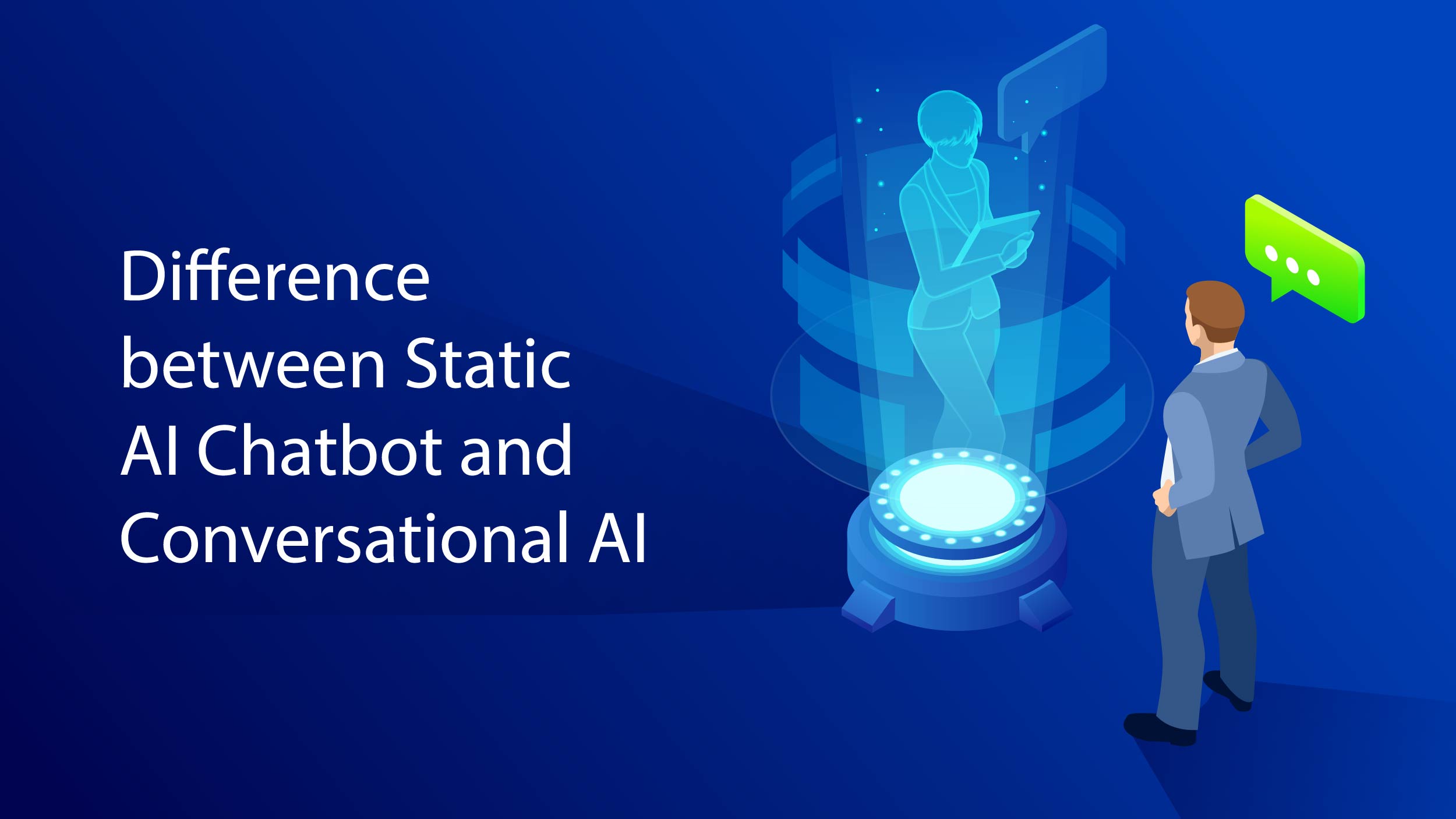
The differences between static and conversational AI chatbots are highlighted below:
| Feature | Static chatbot | Conversational AI chatbot |
| Functionality | Can only answer simple questions and perform basic tasks | Can understand and respond to natural language, answer complex questions, and even make small talk |
| Interaction medium | Text only | Text, audio, and video |
| Accessibility | Typically featured on a company website | Can be accessed via various channels, such as websites, mobile apps, and voice assistants |
What is an Example of Conversational AI?
Conversational AI is gaining immense traction due to its widespread application. Some of the prominent examples include:- Subscription model:These sophisticated chatbots can produce text to respond to user inquiries on a variety of subjects. OpenAI's ChatGPT is the most popular among them.
- AI-powered search engine assistants:Search tools with AI capabilities can rapidly produce search results that closely match a user query. Two of the best conversational AI chatbots are Bing AI and Google Bard.
- Conversational business intelligence (BI):Conversational BI blends conversational artificial intelligence with data analytics capabilities. It uses an integrated database to retrieve the data required for analysis and visualization. Users can virtually converse with these applications and get outputs in the form of data visualizations and explanations. Popular conversational AI platforms include Google Dialogflow, IBM Watson Assistant, Microsoft Bot Framework, and Amazon Lex.
- Chatbots for customer care:Businesses utilize chatbots to offer customer assistance to resolve problems, respond to frequently requested queries, and even strike up small talk. These conversational AI solutions may reduce expenses and increase customer satisfaction for organizations.
- Sales chatbots:Businesses utilize chatbots to generate leads and complete deals. They can qualify leads, respond to inquiries, and even offer advice. Businesses can use sales chatbots to boost revenue and enhance the customer experience.
- Chatbots for marketing:Companies employ chatbots to send out tailored marketing messages. They can keep tabs on client actions and preferences to send relevant messages. In this way, chatbots aid companies in boosting revenue and brand recognition.
How Does Conversational AI Work?
Natural language processing (NLP) and machine learning (ML) techniques are combined with traditional, static types of interactive technology, such as chatbots, to create conversational AI. Due to its ability to have human-like interactions, this combination is employed to respond to consumers. Rules-based static chatbots have conversation flows based on predefined sets of responses that direct users to particular information. It employs ML to learn new information for further encounters and NLP to analyze and understand the meaning of the user's human speech. Simply put, these systems typically work in the following way:- The system first uses NLP to understand the user's input. This involves breaking down the input into its constituent parts, such as words, phrases, and sentences.
- The system then uses ML to generate a response. This involves using the input to retrieve information from a knowledge base, and then using that information to generate a natural-language response.
What are the Advantages of Conversational AI?
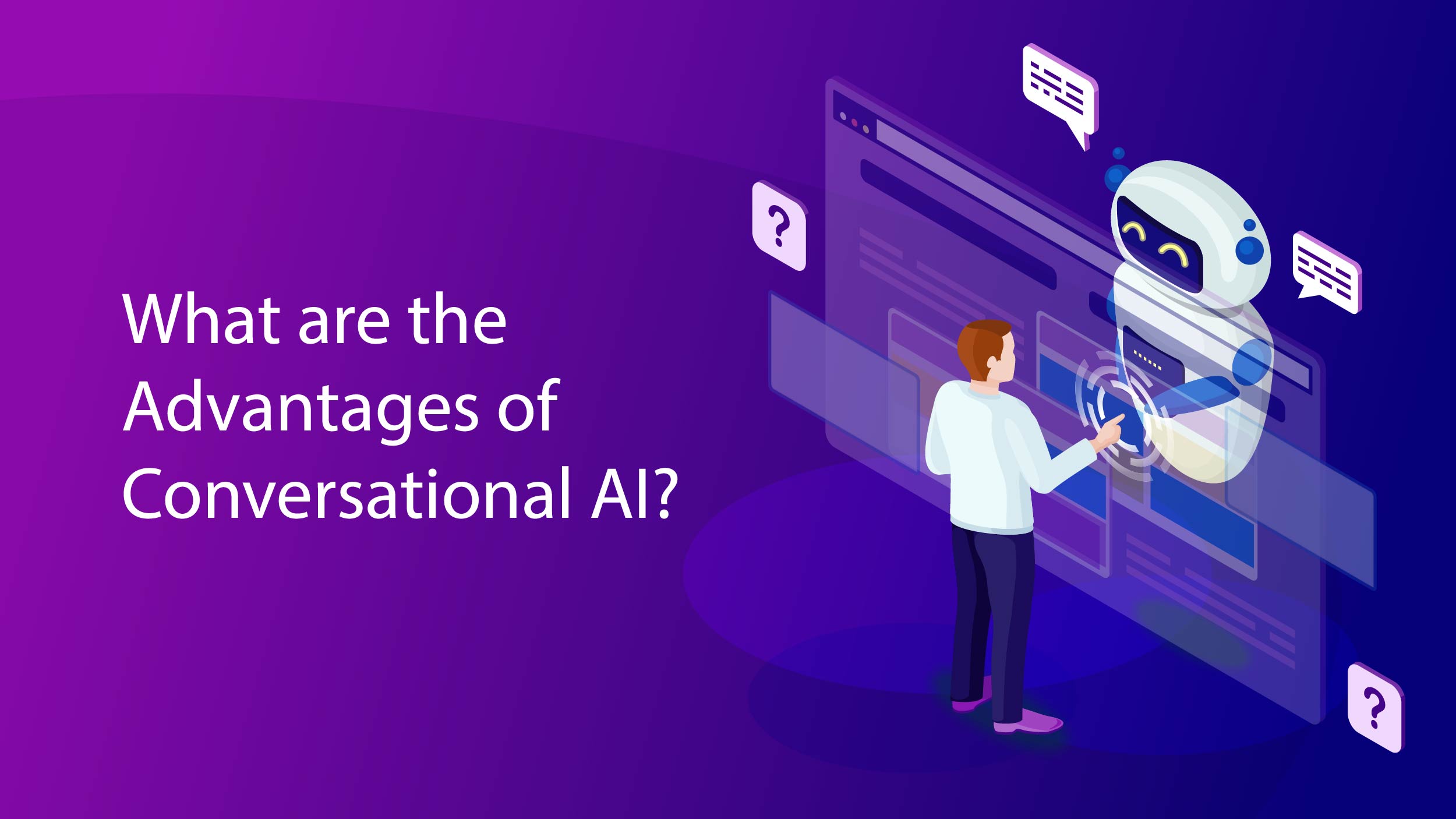
For many commercial operations, it provides a cost-effective solution. The three major advantages of employing this AI are as follows.
-
Cost efficiency
-
Increased sales and customer engagement
-
Scalability
Can Conversational AI Help Sales Teams Close More Deals?
Conversational AI can cater to different targets of organizations. One such solution that is devised to help sales teams is DaveAI. DaveAI is a cloud-based platform making waves with its new feature that helps businesses close more deals. It is a conversational AI platform that can help you automate customer service, sales, and marketing tasks. It is also easy to use and scalable. DaveAI can be used to automate a variety of tasks, including:- Answering FAQs
- Resolving simple issues
- Qualifying leads
- Making recommendations
- Delivering personalized marketing messages
- Tracking customer engagement
- Measuring the results of marketing campaigns
To Sum Up
These AI and sales bots can enhance sales productivity and empower sales teams, including field salespeople while sharing the correct kind of expertise, product information, promotions, and expenses with prospects at the right time in a variety of ways. Sales executives can customize their conversational workflows to fit their sales goals and existing sales processes, resulting in greater results. Conversational AI is a rapidly growing field that has the potential to completely change how we communicate with machines. Applications for conversational AI systems already exist in customer service, sales, marketing, education, and healthcare. In the years to come, it will likely be used in even more inventive and imaginative ways as technology advances.Advertisement