
How to Improve Lead Engagement to Boost Conversions and Maximize Marketing ROI

Most ads are literally ignored by people. People’s inboxes are filled with spam; they get less interested in everything, given that their attentiveness is very short; and people may have never been as picky as they are now. That is the reality. Sending more emails or increasing volume is no longer the answer. Generic nurturing sequences lead to diminishing returns and higher customer acquisition costs.
The real challenge is understanding lead engagement at a deeper level. Opens and clicks alone do not reveal intent. Teams need to focus on signals that indicate real interest and measure conversion velocity to act at the right time.
Now, success comes down to how well marketing and sales work together. A personalized approach across multiple channels is no longer optional. Timing matters. Context matters. Getting both right makes all the difference. As the digital economy is expanding by about 10 to 12 percent yearly and faster than the world’s GDP, teams that really know how to engage a lead will shine. Earning trust and realizing results are no longer ambiguities for such teams; they are leaving their competitors behind.
Building an Intent-Driven Engine

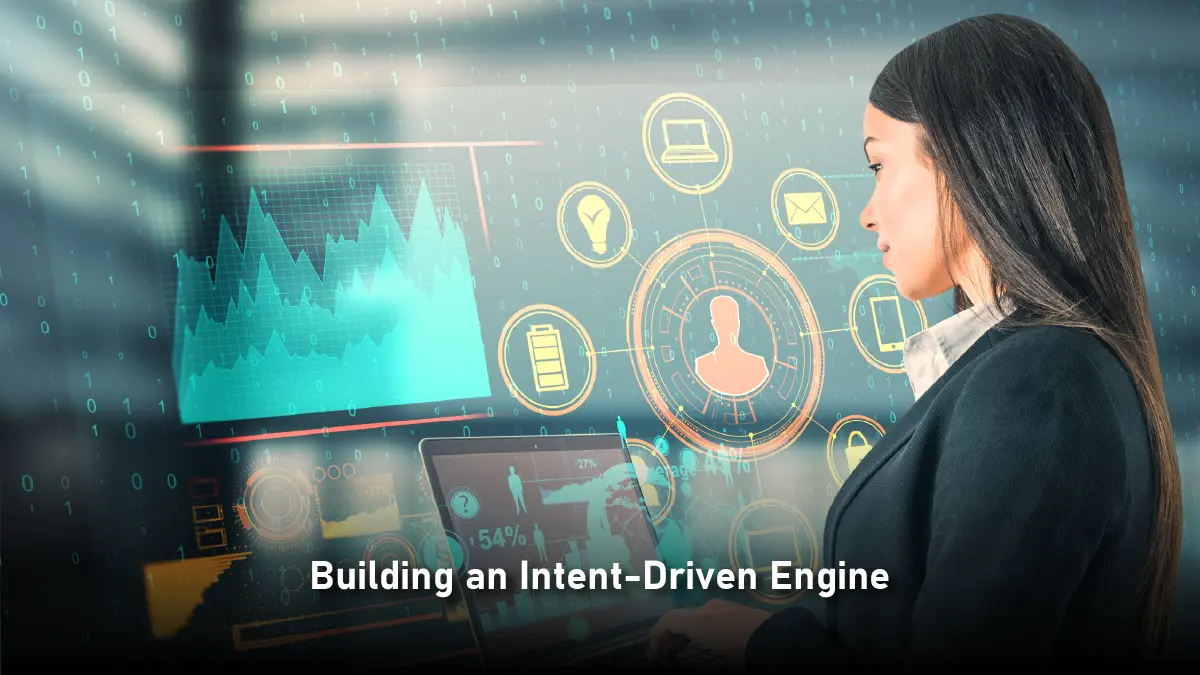 You can’t just rely on titles or company size anymore. Sure, it tells you something, but that’s barely scratching the surface. Want to really boost lead engagement? You have to dig deeper. Check the industry they’re in, the tech they use, even how they move around your site. Did they visit a pricing page or download a guide? That tells you more than any form ever could.
Once you know this, scoring leads makes sense. Not every click is equal. Someone reading a blog? Low priority. Someone checking integration docs or exploring pricing? That’s a hot lead. When you weigh these actions, sales know where to spend time. And that matters. Because chasing the wrong leads wastes energy, time, and money.
So when should a lead actually move from marketing to sales? There isn’t a magic formula, but patterns tell the story. If someone keeps showing intent, dives into the right content, and looks like your ideal customer, that’s your signal. Wait too long, and they’ll start losing interest.
Even big-picture data helps. The Census Bureau’s Business Ecosystem updates give insight into company sizes, demographics, and economic trends. You can use that to make segmentation smarter, targeting sharper, and engagement far more intentional. When all this comes together, your lead engagement engine isn’t just working. It’s predicting, prioritizing, and converting.
Also Read: AI for Sales: Are We Entering the Era of the Autonomous Sales Team?
Hyper-Personalization Through Context
Personalization isn’t just a buzzword. Done the right way, it can really change how leads engage and convert. The trick is figuring out where each person is in your funnel and giving them what they actually need right then.
At the top of the funnel, people are looking for answers. They have a pain point and want guidance. So give them educational content that speaks to that issue. Nothing generic. When they move to the middle, they are evaluating options. Case studies and reports that match their industry or role work best here. By the time they get to the bottom, they’re ready to make a decision. Tools like ROI calculators or implementation guides help show the value. It’s the kind of stuff that makes the choice feel obvious rather than forced. Even beyond email, you can make landing pages feel personal. Small touches like adjusting text based on where they came from, a campaign or a source, can make a big difference.
Equipping sales with context is just as important. The SDR team should know everything the lead has done, what they clicked, what they read, and where they hesitated. That insight lets them strike at the right moment. Timing matters. If a lead just looked at a competitor comparison, that is your cue to reach out.
AI is changing the game too. In 2025, about one-third of marketers are using AI to make content. Around 30% are looking at data with it. And about one in five are automating workflows. Video is picking up too. Almost 14% of marketers say they want to spend more on it this year. Short, personalized clips really do help. They grab attention in crowded inboxes and make your outreach feel more real.
Here’s the thing. When your content, timing, and sales insights line up, personalization stops being just fluff. It actually pulls people in. Leads move naturally down the funnel. Engagement goes up. Done right, this isn’t just something nice to have. It’s what separates teams that actually convert from the ones that struggle to keep anyone’s attention.
Multi-Channel Orchestration and Timeliness
Sending messages is not just hitting send and hoping someone sees it. It’s about making everything feel connected. Email, LinkedIn, calls, retargeting ads. They all have to make sense together. You do not want a lead seeing the same thing twice. Or getting confused because sales and marketing are not on the same page. Coordinating automated campaigns with manual outreach is a bit of work, but it pays off. Leads notice when it all clicks.
Timing matters more than you think. High-intent leads do not wait. If someone just checked pricing or peeked at a competitor, you have to reach out fast. Otherwise, they drift. Alerts and triggers help. Sales can jump in the moment a bottom-of-funnel action happens. It really makes a difference when you act quickly.
Don’t stop at the usual channels. Short, personal video messages work surprisingly well. They cut through clutter. They make you feel real. Event-triggered engagement works too. Something happens in the industry or a competitor moves. That is your cue. Send the right content at the right moment. Leads notice when you pay attention.
AI is helping teams level up. Those using it do better. They can spot patterns, prioritize leads, and move faster. Reporting helps too. Knowing what works, spotting trends, adjusting tactics; that is what gives a team an edge.
When channels line up, when you act fast, and use tools the right way, outreach stops feeling random. Every message builds on the last. Leads move naturally through the funnel. It is not magic. It is timing, the right tools, and paying attention. That is what makes engagement actually work.
Measuring Engagement ROI and Conversion Lift
Here is the thing. You can do all the personalization in the world but if you do not measure it, you are flying blind. You need to see what works and what does not. Start with lead-to-opportunity conversion. Are more leads actually turning into deals? Look at conversion velocity too. How long does it take for a lead to go from MQL to a closed deal? If it takes too long, something is off. Influenced revenue is worth checking as well. How much money comes directly from your engagement efforts? It helps put all your time and effort into perspective.
Now think about cost. Personalization takes resources like tools, content, and time. But here is the thing. If fewer leads are converting faster, your investment pays off. Compare what you spend on tech and content to the increase in customer lifetime value. That shows whether personalization is helping or just adding noise. Efficiency matters more than ever.
Feedback loops are your secret weapon. Marketing has to listen to sales. What messages worked? What did not? This back-and-forth lets you refine targeting and content continuously. That is how you get smarter each cycle. Personalized marketing is no longer optional. About 71 percent of consumers expect companies to interact with them personally. If the experience is poor, three-quarters will switch. That is huge.
Content ROI counts too. Research from the IBM Institute for Business Value shows how to calculate the value of research-driven content. It is not just nice to know. It helps prioritize what gets created, shared, and promoted.
At the end of the day, measuring engagement is about accountability and impact. Track it, adjust it, and your marketing will do more than reach inboxes. It will drive real results.
Engagement is Your Competitive Advantage
 Well, here is the thing. Lead engagement is what really sets you apart. When you get intent scoring right, personalize the experience, coordinate all the channels, and actually track what works, things start to click. It is not about sending more emails or piling up leads. What matters is how you connecting with each person. Take a look at your lead engagement. Have a close eye on what is really working and what is not. Make a few tweaks. Try it again. That is how lead engagement becomes a real advantage.
Comments are closed.