
Amazon Upgrades Seller Assistant with Agentic AI to Give Sellers a Smarter, Proactive Business Partner

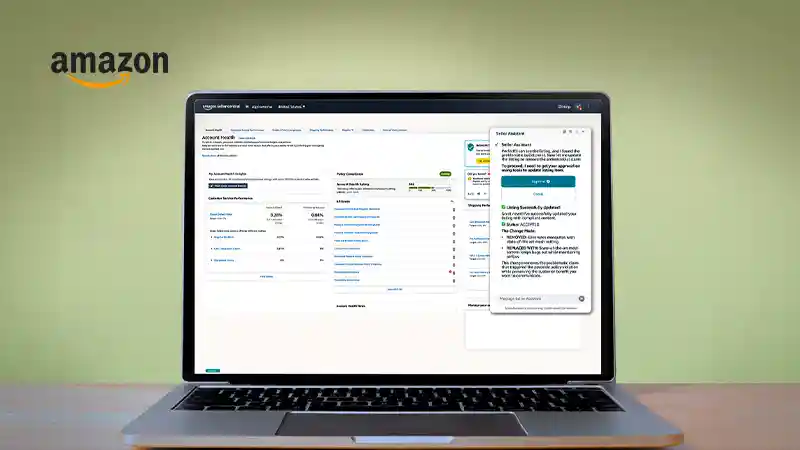
Amazon has introduced a major upgrade to its Seller Assistant tool, turning it from a reactive helper into an agentic AI partner that can not just answer questions but anticipate needs, recommend actions, and even act with seller approval. This shift is designed to simplify operations for the millions of third-party sellers on Amazon, freeing them up to focus more on product innovation, marketing, and growth.
What the New Agentic Features Do
- Proactive Inventory Management & Alerts
The Assistant will monitor inventory in real time, flag slow-moving products before they incur storage penalties, suggest restocking or repricing, and help optimize shipping and FBA (Fulfillment by Amazon) allocations based on demand and current trends. - Business Strategy & Growth Recommendations
Sellers will get insights into growth opportunities—new product categories, promotional strategies, and marketing campaign ideas—derived from their own sales history and platform-wide trends. The tool is intended to act like a virtual business consultant, helping sellers plan ahead for seasonal demand or competitor pressure. - Account Health & Compliance Monitoring
The tool checks for account health issues, regulatory compliance risks, and listing problems (for example, missing certification or product safety info). It doesn’t just alert but can guide sellers through resolving issues and, with approval, apply fixes or documentation steps. - Ad Creative Support & Marketing Automation
Through Creative Studio inside the Seller Assistant, sellers can now generate ad content, based on simple conversational prompts. The AI will help create campaign ideas, taglines, visuals, and video ads more efficiently than before. - Always-On, Authorized Action
What sets this version apart is the “agentic” quality: with seller consent, the Assistant can take certain actions on behalf of the seller-execute inventory recommendations, adjust listings, initiate ads-rather than waiting for the seller to do every step manually.
Also Read: PayPal Ads and PubMatic Power Commerce-Driven Advertising

Why This Is Important for Sellers, Publishers & AdTech Professionals
- Efficiency Gains & Reduced Operational Overhead
Smaller sellers who might be stretched thin dealing with compliance, pricing, shipping, photo quality, ad creative now have a tool that can handle many of those tasks proactively. Ad tech firms and publishers working with them can build offerings around helping sellers maximize these features. - Creative & Ad Inventory Expansion
Because creative generation is embedded into the workflow, there will likely be more ad creatives of varied styles. That means ad inventory with more diversity—video, images, promos—with quicker turnaround, opening up more opportunities for ad placements and testing. - Better Levers for Performance Measurement
Sellers and adtech platforms will want to track how much of performance uplift comes from these proactive agentic features—inventory improvements, promotional campaigns, ad creative effectiveness. Attribution models will become more complex but also more insightful. - Competitive Edge for Sellers Who Use It Early
Sellers who adopt these tools earlier may see better margins (from fewer storage fees, better inventory forecasting), better ad ROIs (from quicker and higher-quality creatives), and fewer account compliance issues.
Things to Watch: Challenges and Strategy
- Control vs Automation
Sellers will want to retain control. Agentic tools can be powerful but must be carefully governed: understanding when the AI is acting, what permissions are given, and ability to review or override actions. - Data Privacy & Transparency
Because the system uses seller data and platform trends, transparency over how suggestions are generated and data used will be critical—not just for trust, but to ensure compliance with local regulations and marketplace policies. - Creative Quality vs Speed Trade-off
Fast ad content generation can reduce cost and cycle times, but risk producing generic or lower-impact creatives. Sellers and marketers must balance speed with brand consistency and quality. - Adoption & Learning Curve
Sellers will need to learn to trust recommendations, curate or correct when needed, and integrate the tool into their existing workflows. Training, onboarding, and perhaps partnering with service providers or agencies could help.
Bottom Line
Amazon’s Agentic Seller Assistant is a big step toward making AI a true business partner for sellers rather than just a support function. For ecommerce and sales professionals, this means more proactive tools, less manual grunt work, and more time for strategy and growth. Adtech and publisher partners can leverage this evolution to build service offers, creative supply pipelines, and measurement tools that support sellers in extracting value from these smarter AI capabilities.
Comments are closed.