
Snap OS 2.0 Brings New Creative & Content Tools to Spectacles, Poised for Consumer AR Launch

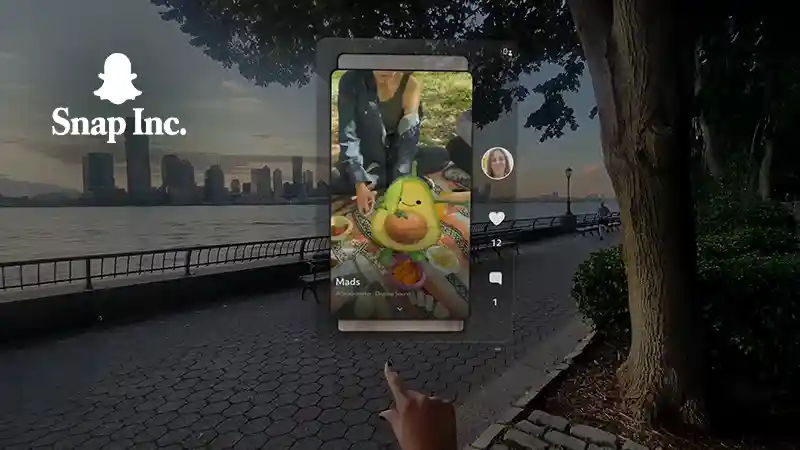
Snap has unveiled Snap OS 2.0, a major update for its Spectacles AR glasses, designed to make them more functional, engaging, and relevant for content creators, social media professionals, and adtech. With the consumer version of Spectacles expected in 2026, this release signals how Snap is shaping its platform not just for novelty, but real-world creative use, immersive experiences, and social content.
Key Features Creators & Social Teams Should Watch
- Overhauled Browser Experience: The built-in browser is faster, more power-efficient, with a cleaner design. Users will be able to use bookmarks, widgets, and full control over sizing and navigation. This means content creators might soon think about AR-friendly web experiences.
- WebXR Support: Snap OS 2.0 enables immersive AR experiences via WebXR – giving creators and brands tools to build or host AR content directly accessible through web links on the glasses.
- Spotlight Lens, Reimagined: A dedicated “Spotlight” Lens overlay lets creators present vertical video content hands-free. Videos will play visually in front of you in a fixed position or following your movement, with comments or metadata in AR space. This opens opportunities for creators to explore new video formats outside of phone screens.
- Gallery Lens & Travel Mode: Creators can manage, review, and organize their Spectacles captures via a gallery layout; Travel Mode helps stabilize AR content and tracking while in motion (e.g. trains, cars). This is useful for content shot on the go or in motion contexts.
- Lenses Ecosystem & Developer Tools: Snap has hundreds of Lenses in development from creators around the world, plus new games being brought into the platform. For creators and adtech partners, this means growing opportunity for immersive content, interactive experiences, and potentially branded AR moments.
Implications for AdTech, Creators & Social Media Professionals

- New Content & Ad Formats: Vertical video, spatial overlays, AR “Spotlight” experiences – brands and publishers will have more formats to experiment with. Adtech firms should prepare for richer, more immersive inventory, and new ad specs to match.
- Hands-Free, Attention-Rich Storytelling: Because Spectacles encourage content that overlays your view (rather than looking down at a phone), creators will need to rethink framing, pacing, and narrative to capture attention in these AR contexts.
- Mobility & Real-World Context: Travel Mode and stabilized AR open possibilities for content shot while moving, from travel vlogs to fitness, events, etc. Creators who capture authentic moments in motion may benefit.
- WebXR & AR-Web Integration: With support for immersive AR via the web, there is a chance for interactive AR ads or experiences that live outside closed apps – potential new pathways for monetization and branded content.
- New Workflows & Tools Needed: Managing content (video, captures) from Spectacles, editing or organizing from Gallery Lens, integrating voice or gestures in creation – these will require tools that suit AR content pipelines. Creators and adtech platforms should adjust for production, measurement, and distribution suited to these new modes.
Also Read: CoSchedule Unveils New & Improved Social Inbox: Now Connected To All Social Networks
Strategic Moves Creators Should Consider Now
- Start prototyping AR content now: test short vertical videos or overlays that might work well in Spotlight Lens or AR web environments.
- Optimize storytelling for hands-free viewing: think voice cues, gesture language, spatial anchoring of content.
- Explore ways to integrate WebXR experiences or AR utilities that complement video content.
- Plan for measurement: metrics like retention, gaze or viewing time, overlay engagement, spatial content usage will become more relevant.
- Partner with AR Lens developers or agencies early to build branded AR Lenses or AR-enabled ad experiences.
Bottom Line
Snap OS 2.0 isn’t just a feature update – it’s a statement of intent. As Spectacles move toward consumer release, the platform is gearing up for creators, brands, and adtech stakeholders to build content that’s more immersive, more mobile, and more seamlessly integrated into daily life. For those in social media and creative roles, it opens up new avenues to experiment, engage, and lead on the AR frontier.
Comments are closed.