
Digital Brand Experience to Customer Loyalty: Closing the Experience Gap

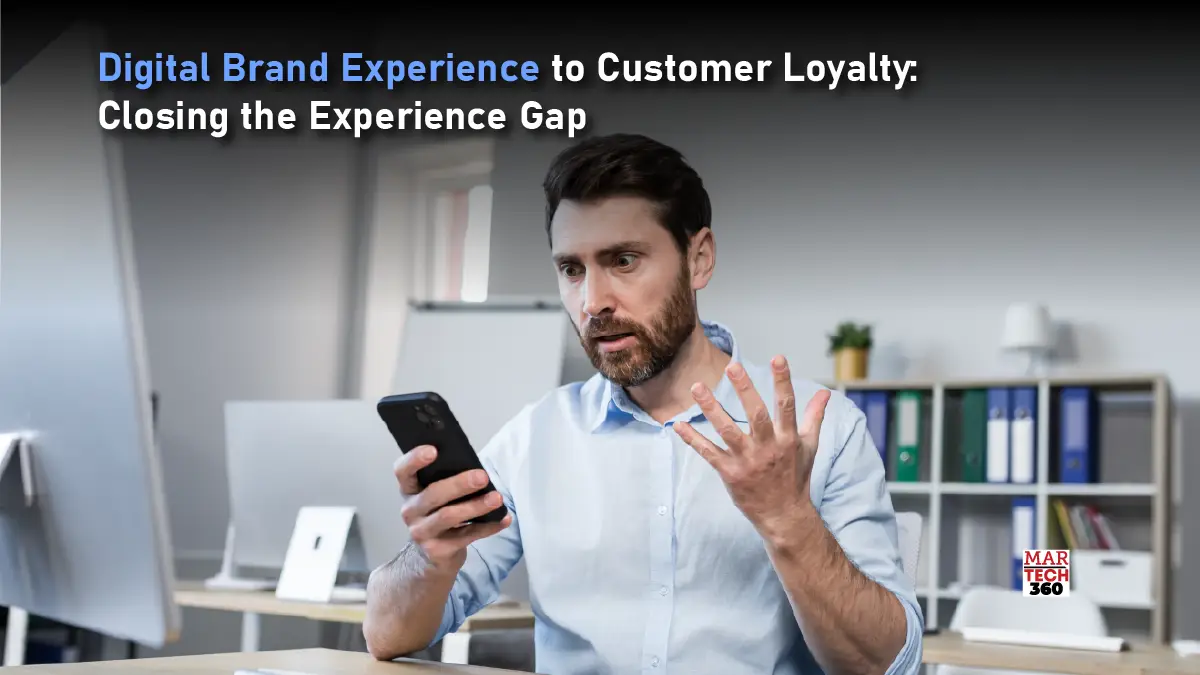
Let’s be very honest. In boardrooms and strategy sessions, marketing leaders often discuss loyalty. We want repeat customers. These are our brand advocates. They choose us without thinking. We invest in loyalty programs, personalize emails, and chase engagement metrics. A gap remains. It’s between the digital brand experience we think we provide and what our customers face every day. The ‘Experience Gap’ isn’t just a hassle; it silently undermines trust. It reduces satisfaction and halts the strong customer loyalty that CMOs and VPs of Marketing desire.
A recent study by PwC found that 32% of customers would stop doing business with a brand they loved after just one bad experience, emphasizing how fragile loyalty has become in the digital age.
For years, the B2B technology world has shown significant changes. Companies use complex martech stacks and gather lots of data. They also build attractive websites. Still, customers feel friction, frustration, and misunderstood. Why? Because technology alone is never the answer. Using technology with a human touch at every digital point makes interactions special and builds loyalty.
The Illusion of Connection


Think about your own recent digital interactions as a consumer. How often did you encounter a seamless, intuitive, even delightful journey? Think about the friction points: the form that won’t submit, the chatbot that freezes, the product info buried in complicated pages, and the support ticket that vanishes. These aren’t minor glitches; they are symptomatic of the Experience Gap. It manifests when:
- Silos Shape the Journey: Marketing builds strong campaigns that guide users to a website. This site is built by one team, but post-purchase support is managed by a different, separate group. The customer feels the disconnect clearly. They see a brand with many faces instead of one united identity.
- Data Rich, Insight Poor: We have more data than before. We track clicks, scrolls, dwell time, and purchase history. It’s still tough to create a clear, real-time view of each customer’s intent and feelings. We change the subject line, but we miss their urgent need for a solution.
- Internal Metrics Mask External Reality: We cheer for high website traffic and app downloads. But these vanity metrics don’t show if users achieved their goals or how they felt. A customer might ‘convert’ but leave feeling frustrated, vowing never to return.
- Tech Moves Fast, People Keep Up: Many people use new AI chatbots or AR features. But they often don’t grasp how these tools help customers or solve problems. Novelty fades quickly; lasting value builds loyalty.
The consequence? Customers don’t just leave; they disengage quietly. They accept your product or service, but they don’t feel connected. There’s no warmth or strong reason for them to support you. They become susceptible to the slightest competitive offer. In B2B, trust and relationships matter. This weak engagement can lead to churn. According to Gartner, 80% of B2B sales interactions between suppliers and buyers will occur in digital channels by 2025, amplifying the risk of an Experience Gap.
Also Read: 5 Best Practises to Improve Your Digital Brand Experience and Its Importance
From Transactional Touchpoints to Transformative Journeys
Closing the Experience Gap isn’t about a single, grand gesture. It’s a big change in thinking. Instead of just managing separate interactions, we focus on creating smooth, caring journeys. Marketing leaders must promote a customer-focused culture. This culture should spread through every function, not just within marketing. Here’s where the focus must lie:
Mapping the Real Customer Journey:
Forget the perfect PowerPoint slides that show a clear path to purchase. Invest deeply in understanding the actual, often messy, non-linear paths your customers take. Use qualitative research like interviews, surveys, and ethnographic studies. Combine these with quantitative journey analytics. This helps uncover real pain points, delightful moments, and unexpected detours. Where do they get stuck? Where do they feel unseen? A major software provider discovered, using journey mapping, that their clients’ biggest frustration wasn’t the software. It was a long and confusing process to get key technical documents after the purchase. Fixing that single, overlooked touchpoint significantly boosted satisfaction and renewal rates.
Orchestrating Seamless Omnichannel Experiences:
The modern customer expects a unified experience. They move easily between your website, mobile app, social media, email, chat, and offline channels. To meet their needs, offer a consistent experience that continues from where they stopped. When a customer starts a complex chat and then calls, the support agent needs to quickly get the full context. This means breaking down data silos. It also involves getting teams to work together, since they have often operated alone. According to Zendesk, 87% of customers think brands need to put more effort into providing a consistent experience across platforms. Imagine a global logistics company. When you check a shipment update on their web app, it should show up right away on your mobile app. The messages and next steps stay the same, no matter how you access the information.
Personalization Requires Empathy, Not Just Data:
True personalization goes beyond using a first name or suggesting items based on past purchases. It’s about predicting what people need based on their actions. It’s about understanding their intent and providing relevant help in the moment. It means using data to serve the customer, not just the algorithm. A financial services firm created tailored educational content and tool suggestions in their client portal. They tracked the user’s assets, pages visited, documents downloaded, and time spent on topics. This created a helpful and relevant self-service experience that built trust. According to McKinsey, 71% of consumers expect companies to deliver personalized interactions, and 76% get frustrated when this doesn’t happen.
Empowering Frontline Teams with Context and Authority:
Your customer support and success teams are key experience ambassadors. Give them a complete picture of the customer. This includes past interactions, preferences, current issues, and sentiment analysis. More importantly, empower them to act and solve problems decisively without excessive escalation. When frontline teams feel trusted and ready, they solve problems quicker. This leads to positive moments that build loyalty. A cloud infrastructure provider used AI tools. They displayed ticket history, recent product issues, and community forum activity. This helped support agents give timely and relevant solutions.
Embracing Proactive Engagement and Value Creation:
Don’t wait for customers to reach out with a problem. Use data and predictive analytics to spot issues or chances to add value. Do this before the customer even knows they exist. Sending a tutorial video when a user is stuck shows you care. Notifying them about possible service issues in their area helps prevent problems. Proactively offering tips for better use also builds goodwill. A SaaS company focused on project management saw a team having trouble with resource allocation on their platform. They reached out with a tailored walkthrough and template. This changed a possible issue into a great example of teamwork.
Continuously Listening, Learning, and Iterating:
Closing the gap is not a one-time project; it’s an ongoing discipline. Set up strong Voice of the Customer (VoC) programs. Gather feedback at key points in the journey, not just after support surveys. Analyze behavioral data relentlessly. Foster a culture where every team; product, marketing, sales, support; owns the customer experience. Empower them to suggest and make improvements based on their insights. Regular cross-functional reviews of journey performance and customer feedback are essential.
Loyalty That Translates to the Bottom Line

Bridging the Digital Experience Gap takes serious effort. It needs strong leadership, teamwork across departments, and ongoing investment. However, the rewards are substantial and measurable:
- Boosted Customer Lifetime Value (CLTV): Loyal customers spend more. They shop more often. Plus, they are open to cross-sells and upsells. They represent predictable, growing revenue streams.
- Lower Churn and Acquisition Costs: It’s cheaper to keep a current customer than to find a new one. Superior experiences directly combat churn and lower the overall cost of sales.
- Enhanced Brand Advocacy: Truly loyal customers don’t just stay; they become vocal advocates. They offer great referrals, positive reviews, and user content. This makes them a strong part of your marketing team.
- Stronger Loyalty Against Rivals: When customers feel connected to your brand, they’re less likely to leave. They believe you understand their needs and provide value. This is true even if competitors have lower prices.
- Boosted Employee Engagement: Teams that have great experiences find more purpose and satisfaction in their work. This leads to lower turnover and a happier workplace culture.
The Imperative for Marketing Leaders
As CMOs, VPs of Marketing, and marketing heads, the mandate is clear. We can’t see digital experiences as just the web team’s job anymore. Building a smooth and caring digital brand experience is essential for modern marketing. It should cover the whole customer journey. It’s the main driver for creating not just satisfaction, but true, lasting loyalty.
We must become champions for our customers in our organizations. This means breaking down silos. It combines data and focuses on closing the Experience Gap. It means looking past vanity metrics. We need to grasp the emotional impact of each interaction. It means making hard choices about where to invest. Sometimes, simple backend tasks and process changes create real front-end magic.
The brands that will succeed in the next decade won’t have the flashiest ads or the most features. Those who succeed will keep online interactions simple, relevant, and human. Brands that see the gap between what customers want and what they get build loyalty. Close that gap, and it’s not just customers you’ll win over, you’ll earn lifelong fans. The time to bridge it is now.
Comments are closed.