
YouTube Expands Multi-Language Audio, Opening New Doors for Global Reach and AdTech Scaling

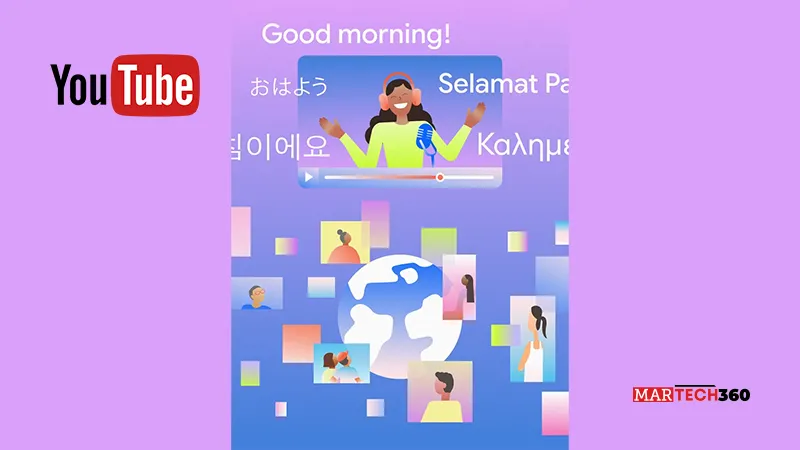
YouTube is rolling out its Multi-Language Audio feature to millions of creators, enabling them to upload dubbed audio tracks in multiple languages. This expansion follows a successful pilot that demonstrated significant engagement from global audiences and is poised to reshape how publishers and adtech professionals approach content distribution, audience growth, and monetization strategies.
Key Highlights
- Creators can now add alternate language audio tracks when uploading videos, allowing viewers worldwide to experience content in their preferred languages.
- Early pilots showed that videos offering multi-language options drove a substantial share of watch time from non-primary language audiences, indicating strong demand.
- Prominent creators who used the feature saw sharp increases in reach and engagement, in some cases tripling their view counts after adding multilingual audio.
- YouTube is also testing localized thumbnails based on viewer language preferences, further enhancing audience engagement across different regions.
Implications for Publishers & AdTech Professionals

Accelerated Global Audience Growth
Multi-language content can help publishers reach untapped markets without building separate regional channels, boosting traffic and audience diversity.
Increased Ad Inventory Value
Localized content often drives higher engagement and longer watch times, which can raise CPMs and make inventory more attractive to advertisers targeting specific markets.
Refined Audience Targeting
Language-based engagement data can power better audience segmentation and targeting, enabling adtech platforms to serve more relevant, localized ad creatives.
Need for Scalable Localization Workflows
To fully capitalize on this feature, publishers will need efficient processes for dubbing, metadata translation, and localized creative production at scale.
Also Read: Verbit and Deepdub Partner to Automate High-Quality, Expressive Multilingual Dubbing at Scale
Strategic Considerations
- Balance Quality and Scale: While AI-assisted dubbing offers speed, maintaining tone and authenticity is critical to preserve brand trust and viewer engagement.
- Localize Metadata and Thumbnails: Titles, descriptions, and thumbnails should match the target language to boost visibility and click-through rates.
- Ensure Cultural Sensitivity: Language localization must respect cultural nuances and avoid tone-deaf messaging that could harm brand perception.
- Measure Incremental Gains: Test multilingual strategies through A/B or lift studies to measure impacts on watch time, ad revenue, and audience growth.
Bottom Line
YouTube’s expansion of multi-language audio represents a major opportunity for publishers and adtech companies to scale their global reach. By combining multilingual audio, localized metadata, and culturally aligned creatives, marketing technology teams can unlock new audiences, strengthen engagement, and drive higher monetization across international markets.
Comments are closed.